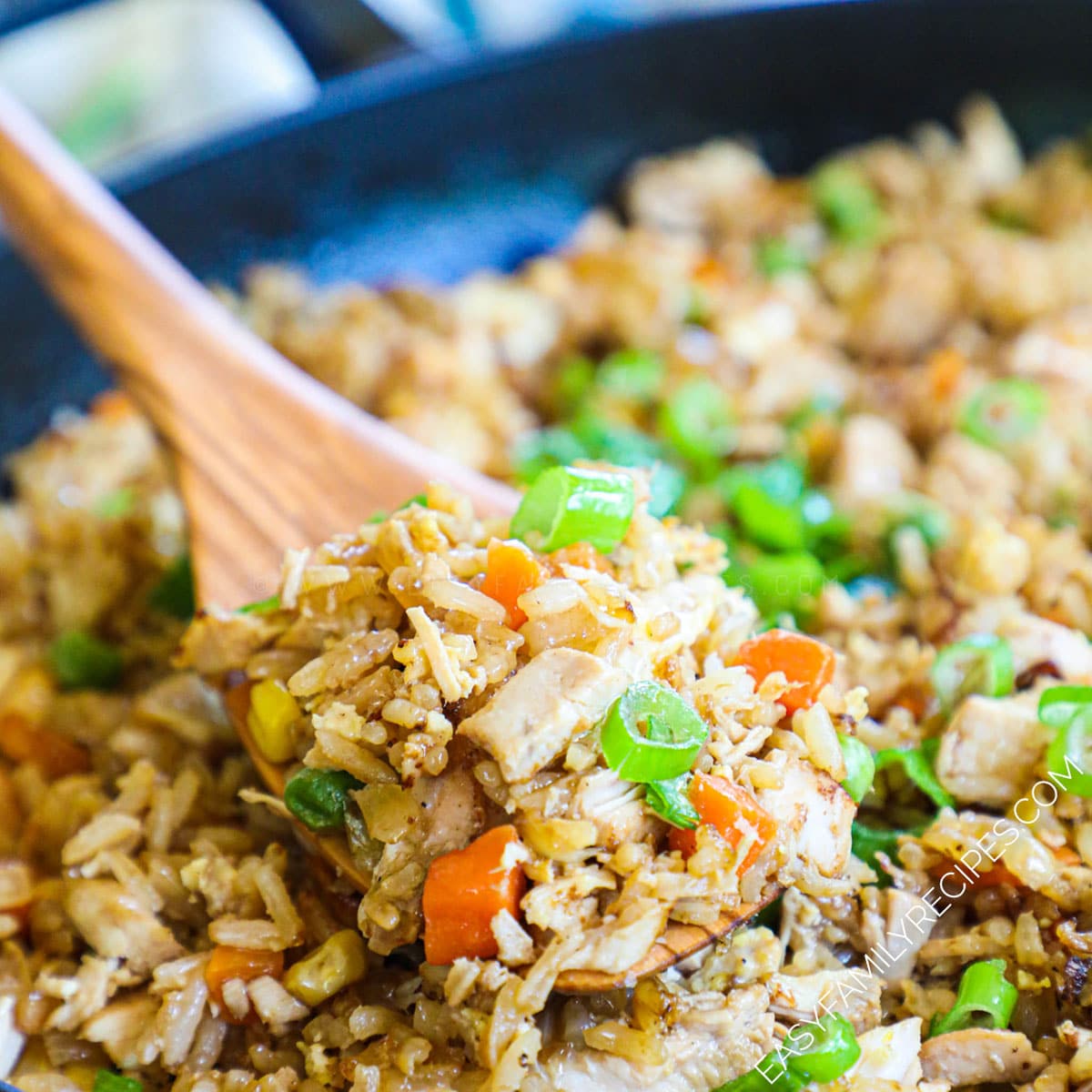
Easy 15-Minute Chicken Fried Rice Better Than Takeout: Your New Go-To Recipe
Are you tired of expensive takeout that sometimes disappoints? Imagine whipping up a delicious, restaurant-quality chicken fried rice recipe in your own kitchen, faster than delivery can even get to your door. This isn't just wishful thinking; it's entirely achievable! With a few simple tricks and the right approach, you can create a homemade chicken fried rice that’s bursting with fresh flavors, perfectly cooked chicken, and fluffy rice – all in about 15 minutes of active cooking time, provided you have your rice ready. Get ready to elevate your weeknight meals and discover why making your own fried rice is truly better than takeout.
The Secret to Superior Homemade Chicken Fried Rice
Many of us adore the savory, comforting taste of chicken fried rice from our favorite Chinese restaurants. The allure often lies in that unique smoky aroma, known as "wok hei," achieved in sizzling-hot carbon steel woks over powerful burners. While replicating that exact restaurant environment at home can be challenging, don't despair! You absolutely can create a phenomenal fried rice that rivals, or even surpasses, your usual takeout order.
The key isn't necessarily a commercial-grade wok and burner. Instead, it's about understanding the core principles and adapting them to your home kitchen. A heavy-bottomed pan, a carbon steel wok, or even a trusty cast iron skillet can get sufficiently hot to deliver fantastic results. These tools retain heat exceptionally well, allowing you to achieve a beautiful sear on your ingredients and infuse deeper flavors. The real secret lies in controlling your heat, not overcrowding your pan, and using fresh, quality ingredients. Plus, when you make it yourself, you have complete control over the salt, oil, and spice levels, tailoring it exactly to your preference – something takeout can rarely offer.
Mastering the Foundation: Your Rice, Your Canvas
The heart of any great fried rice is, undoubtedly, the rice itself. Getting this right is perhaps the most crucial step for achieving that signature fluffy, separated texture we all crave. Forget mushy, clumpy rice; we're aiming for individual grains that are tender yet firm, acting as the perfect canvas for all the other delicious flavors.
The golden rule for fried rice is to *always use pre-cooked, completely cooled rice*. This means planning ahead! If you have leftover rice from the day before, you're already halfway there. If not, simply cook your rice an hour or two in advance (or even the morning of), spread it out on a baking sheet to cool quickly, and then refrigerate it until thoroughly chilled. Why is cold rice so important? Freshly cooked, warm rice still contains a lot of moisture and its starches are soft, making it prone to clumping and turning mushy when stir-fried. Cold rice, on the other hand, has less moisture and firmer starches, allowing it to fry up beautifully, achieving that coveted loose and slightly chewy texture.
For the type of rice, medium to long-grain varieties work best. Many home cooks, including myself, find basmati rice to be an excellent choice due to its naturally non-sticky nature and aromatic qualities. When cooking your rice, aim for an "al dente" texture – cooked through but still with a slight bite. A good method is to cook it in a large pot with surplus water, much like pasta, then drain it thoroughly in a colander. Covering it briefly after draining helps it steam and fluff up without drying out. For an extra layer of flavor, some restaurants even cook their rice in chicken or vegetable broth, a tip you can easily adopt at home for a richer taste profile.
Perfecting Your Protein: Juicy Chicken Every Time
With your rice prepped, let's turn our attention to the star protein: the chicken. The goal here is tender, succulent pieces of chicken that cook quickly and evenly, without becoming tough or rubbery.
The size of your chicken pieces plays a significant role. Always chop your chicken – whether it's breast or thigh meat – into small, uniform cubes or bite-sized pieces. This ensures that the chicken cooks rapidly and thoroughly when stir-fried, preventing it from drying out. Larger chunks require longer cooking times, which often leads to a chewier, less pleasant texture.
While raw chicken works perfectly fine, a secret often employed by restaurants to ensure maximum moisture and juiciness is to lightly coat the chicken before frying. This coating typically consists of either egg white or a touch of cornstarch. Both act as a protective barrier, sealing in the chicken's natural juices and preventing it from becoming tough. Many find that an egg-coated chicken not only stays incredibly moist but also adds another layer of delicious flavor to the overall dish. If you're looking for an alternative, some chefs recommend brining the chicken in buttermilk for a few hours or overnight, which tenderizes the meat beautifully. For this easy 15-minute recipe, a simple egg white or cornstarch coating is your best bet for quick, delicious results.
Flavor Powerhouses: Sauces, Spices & Veggies that Elevate
What truly makes chicken fried rice an unforgettable experience are the layers of flavor that come from a harmonious blend of sauces, aromatics, and fresh vegetables.
Soy sauce is undeniably the cornerstone of this dish. It provides that essential umami, savory depth, and characteristic color. Opt for a good quality light soy sauce for general seasoning, and if you like a darker hue, a touch of dark soy sauce can be added sparingly. For those watching sodium, low-sodium varieties are widely available.
To kick up the heat and complexity, feel free to experiment with additional sauces. A drizzle of Schezwan sauce or a dash of sriracha can introduce a spicy, tangy dimension. The beauty of homemade fried rice is its versatility; don't hesitate to throw in your favorite combination of sauces – a touch of oyster sauce for richness, or even a splash of sesame oil at the end for an aromatic finish. Sometimes, for a cleaner, fresher profile, all sauces are skipped, relying instead on the richness of egg and the fiery kick of fresh green chilies and black pepper.
And let's not forget the vegetables! They add essential nutrients, crunch, and vibrant color.
Scallions, also known as spring onions, are a classic choice, offering a delicate oniony flavor and a pop of green. If spring onions aren't available, regular finely diced white or yellow onions can be a good substitute. Bell peppers, whether red, yellow, or green, contribute a lovely sweetness and crisp texture. Beyond these staples, the possibilities are endless. This is where your fried rice can truly become a reflection of your pantry and preferences. Consider adding:
- Broccoli florets for a healthy crunch
- Finely diced carrots for sweetness and color
- Sweet peas or corn (frozen works great!)
- Sliced mushrooms for earthy depth
- A handful of spinach for added greens
- Even a sprinkle of cashews or almonds for a nutty texture contrast
The key is to cut harder vegetables into small, uniform pieces so they cook quickly and evenly alongside the other ingredients.
Beyond the Basics: Pro Tips for Restaurant-Quality Results
Making truly exceptional chicken fried rice at home involves a few strategic moves that can transform a good dish into a great one. These aren't complicated; they're simply smart techniques.
1.
High Heat is Your Friend: Whether you're using a wok, cast iron, or a stainless steel pan, ensure it's screaming hot before you add your ingredients. High heat is crucial for achieving that slight char, preventing sticking, and cooking everything quickly without stewing. Don't be afraid of a little smoke – that's flavor developing! To learn more about mastering high-heat cooking for your fried rice, check out our guide on
Unlock Flavor Secrets: Best Chicken Fried Rice with Wok Tips.
2.
Don't Overcrowd the Pan: This is perhaps the most common mistake. Adding too many ingredients at once cools down your pan dramatically, leading to steaming instead of frying. If you have a smaller pan or are making a larger batch, cook the chicken, rice, and vegetables in separate batches, then combine them at the very end. This ensures everything gets proper heat and develops maximum flavor.
3.
Mise en Place is Essential: For a dish that comes together in just 15 minutes, preparation is paramount. Have all your ingredients chopped, measured, and ready to go before you even turn on the stove. This means your cooked and cooled rice, diced chicken, chopped vegetables, and sauces should be within arm's reach. This proactive approach ensures a smooth, stress-free cooking experience.
4.
Taste and Adjust: Always taste your fried rice before serving. Is it savory enough? Does it need more heat? A little more soy sauce, a dash of white pepper, or a few drops of sesame oil can make all the difference. Adjust seasonings to your personal preference. For more in-depth strategies to perfect your homemade fried rice, read our article:
Restaurant-Quality Chicken Fried Rice: Pro Tips & Easy Recipe.
Conclusion
There you have it – the blueprint for an easy, incredibly flavorful chicken fried rice recipe that you can whip up in just 15 minutes, leaving takeout in the dust. By understanding the importance of cold, firm rice, tender chicken, and a thoughtful combination of seasonings and fresh vegetables, you're well on your way to culinary success. This dish isn't just about speed; it's about the joy of creating something truly delicious and wholesome right in your own kitchen. So, gather your ingredients, fire up your pan, and prepare to impress your taste buds with homemade chicken fried rice that is undeniably better than anything you can order in!