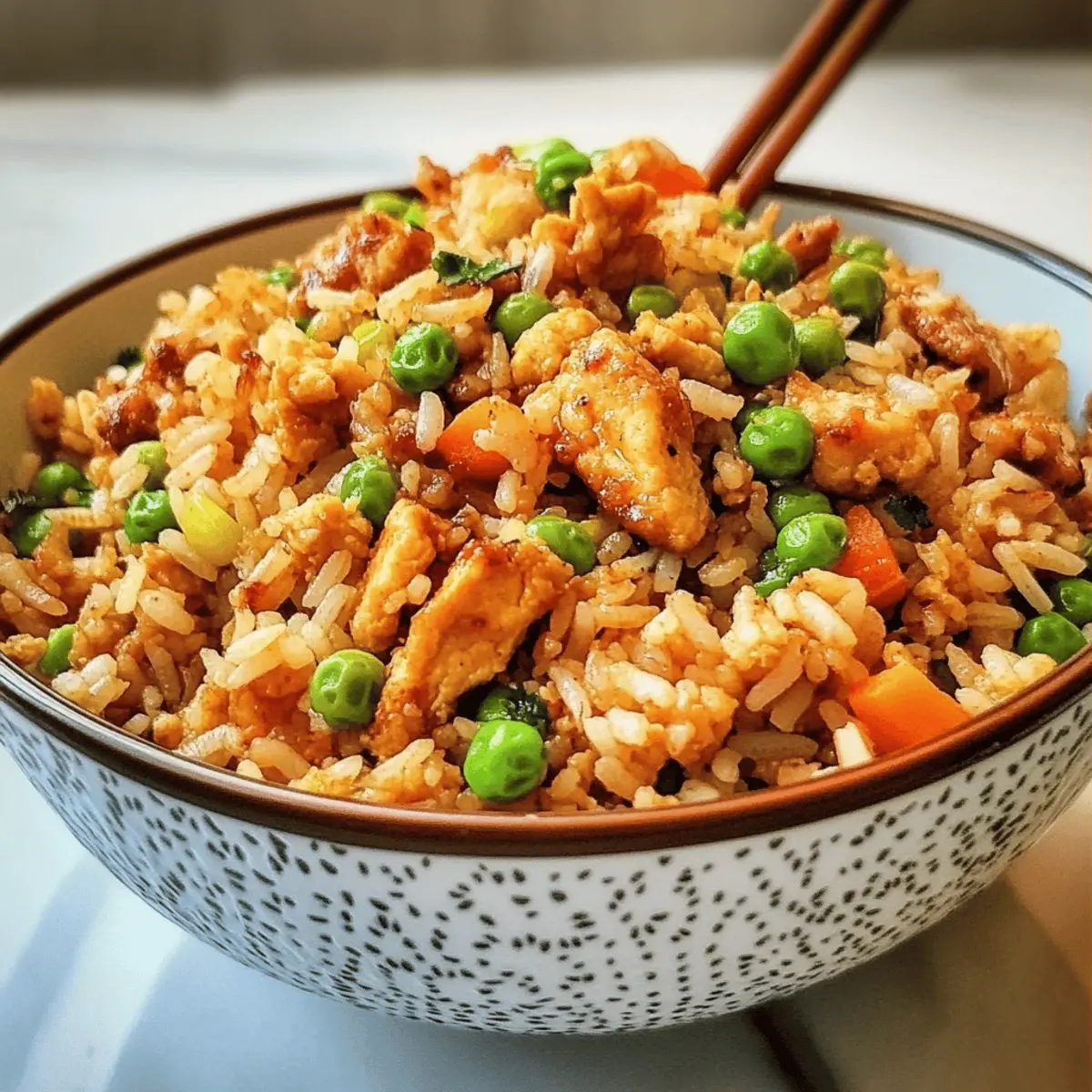
Unlock Flavor Secrets: Your Guide to the Best Chicken Fried Rice with Wok Tips
The intoxicating aroma, the vibrant colors, and the perfectly balanced flavors of a really good chicken fried rice are something many of us crave, often finding ourselves reaching for the takeout menu. But what if we told you that unlocking those beloved restaurant-quality flavors for the best chicken fried rice recipe is entirely within your reach, right in your own kitchen? This comprehensive guide will not only walk you through the essential steps but also reveal the 'secret sauce' – or rather, the secret techniques and ingredient choices – that elevate homemade chicken fried rice from good to truly exceptional. Get ready to transform simple ingredients into a dish that rivals your favorite takeout, often in under 15 minutes if you have your rice prepped!
The Quest for Wok Hei: Achieving Restaurant-Quality Flavor at Home
One of the most elusive qualities of authentic Chinese stir-fries, including our beloved chicken fried rice, is "Wok Hei." This Cantonese term, roughly translating to "breath of the wok," describes the complex, smoky, slightly charred, and intensely flavorful aroma imparted to food cooked in a blazing hot carbon steel wok over an incredibly powerful burner. It's a flavor profile that many home cooks struggle to replicate, primarily due to the limitations of standard kitchen stoves.
While achieving true Wok Hei on a domestic stovetop is challenging, it's not impossible to get remarkably close. The key lies in mimicking the conditions as best you can. A carbon steel wok is indeed your best friend here. Its rapid heating and cooling properties, along with its ability to develop a natural non-stick patina, are ideal for stir-frying. If a carbon steel wok isn't available, a heavy-bottomed cast iron skillet or even a high-quality stainless steel pan can deliver similar, albeit less intense, results. The crucial element, regardless of your pan choice, is maintaining the highest possible heat. Work in small batches to avoid overcrowding the pan, which lowers the temperature and steams your ingredients instead of frying them. This attention to high heat and quick cooking is fundamental to a truly delicious Restaurant-Quality Chicken Fried Rice: Pro Tips & Easy Recipe.
Mastering the Fundamentals: Key Ingredients for Perfect Chicken Fried Rice
Beyond the pan, the success of your chicken fried rice hinges on the quality and preparation of its core components. Each ingredient plays a vital role in building that layered, irresistible flavor.
The Foundation: Perfect Rice
This is arguably the most critical component. Forget mushy, sticky rice; for authentic fried rice, you need rice that is al dente, firm, and separate. Here’s how to achieve it:
- Grain Choice: Medium to long-grain rice works best. Basmati is a popular choice due to its distinct aroma and fluffy texture, but jasmine rice is also excellent. Avoid short-grain sticky rice.
- Al Dente Cooking: Cook your rice so it's slightly firm, not fully tender. Cooking in a large pot with surplus water, similar to pasta, allows for better control. Drain thoroughly in a colander, then cover quickly to allow it to steam and fluff without drying out.
- The "Cold Rice" Secret: Always use completely cooled, preferably day-old, refrigerated rice. Freshly cooked, warm rice contains too much moisture, which will lead to a soggy, clumpy mess when stir-fried. The chilling process dries out the grains slightly, making them ideal for frying. If you're averse to using "leftovers," simply cook your rice an hour or two ahead of time and spread it on a tray to cool completely before use. Some restaurants even cook their rice with broth for an added layer of flavor – a trick you can easily adopt!
The Star: Succulent Chicken
The chicken in fried rice should be tender, juicy, and flavorful, not dry or rubbery. Proper preparation makes all the difference:
- Chop Small & Uniform: Cut your chicken (boneless, skinless thighs or breasts work best) into small, bite-sized cubes or thin strips. This ensures quick and even cooking, preventing larger pieces from becoming tough or undercooked.
- The Moisture Lock: This is a game-changer! Restaurants often coat chicken with a light layer of egg white, corn starch, or both before frying. This creates a protective barrier, sealing in moisture and ensuring the chicken remains incredibly tender and juicy. Egg-coated chicken also adds a wonderful richness to the fried rice itself. For an alternative, consider brining the chicken in buttermilk for 4 hours to overnight – the lactic acid works wonders in tenderizing the meat.
- Raw or Precooked? While raw chicken is excellent for fresh flavor, precooked or boiled chicken can be used for even faster preparation, shaving precious minutes off your cooking time.
The Flavor Foundation: Sauces and Spices
Sauces are where much of the classic fried rice flavor comes from, but don't be afraid to customize!
- Soy Sauce is King: A good quality soy sauce is non-negotiable. Use light soy sauce for salinity and umami, and a touch of dark soy sauce if you desire a richer color and slightly sweeter, more complex flavor.
- Spice It Up: For heat, consider Schezwan sauce, sriracha, or even a dash of chili garlic sauce. These add a fantastic kick that complements the savory notes.
- Beyond Soy: Don't limit yourself! A splash of oyster sauce adds deep umami, a hint of sesame oil at the end brings a nutty aroma, and a pinch of white pepper is surprisingly essential for that authentic fried rice finish. Some recipes even skip heavy sauces altogether, relying on the flavor of egg, green chilies, and black pepper for heat and character.
The Freshness Factor: Vibrant Vegetables
Vegetables add texture, nutrition, and bursts of color. A variety is always welcome:
- Essentials: Scallions (spring onions) are a must for their fresh, oniony bite and bright green garnish. If unavailable, finely diced regular onion can be substituted. Diced bell peppers (any color) add sweetness and crunch.
- Expand Your Palette: This is where versatility shines! Feel free to toss in finely diced carrots, peas, corn, broccoli florets, or even spinach. For an unexpected textural delight, a handful of cashews or slivered almonds can be added towards the end. Ensure all vegetables are cut small and uniformly so they cook quickly and evenly without overcooking.
Beyond the Basics: Advanced Wok Tips & Flavor Enhancers
Now that your ingredients are prepped, let's talk technique – the secret to bringing it all together like a pro.
- Mise en Place is Paramount: In stir-frying, speed is everything. Have ALL your ingredients chopped, measured, and within arm's reach before you even turn on the heat. Once the wok is hot, there's no time to be dicing chicken or pouring sauces. This preparation ensures a smooth, quick cooking process and prevents anything from burning.
- Extreme Heat, Continuous Motion: As discussed, maximum heat is crucial. Get your wok smoking hot before adding oil. Once oil is in, swirl it to coat the surface, then immediately add your ingredients. Keep everything moving constantly with a spatula or wok shovel. This prevents sticking, promotes even cooking, and helps develop that coveted Wok Hei.
- Build Flavors in Layers: Don't just dump everything in at once. Start with aromatics like minced garlic, ginger, and the white parts of scallions. Cook the chicken next, pushing it to the side once almost cooked. If using eggs, pour whisked eggs into a clear space in the wok, scramble them quickly, then break them up and mix with the other ingredients. Vegetables go in next, followed by the cold rice. Sauces are typically added towards the end, ensuring they coat everything rather than steaming the ingredients.
- Small Batches, Big Flavor: It bears repeating: if your pan is too crowded, the temperature drops, and you'll steam your food instead of frying it. If you're making a large batch, cook it in two or three smaller portions. It takes a little more time but makes a monumental difference in texture and flavor.
- Finishing Touches: A drizzle of sesame oil and the green parts of scallions added at the very end, just before serving, provide a final aromatic flourish and freshness. A sprinkle of freshly ground white pepper is also a classic, subtle addition.
With these practical tips and a dash of confidence, you're well on your way to mastering the art of homemade chicken fried rice. For even more detailed guidance, check out our companion articles: Restaurant-Quality Chicken Fried Rice: Pro Tips & Easy Recipe and Easy 15-Minute Chicken Fried Rice Better Than Takeout.
Creating the best chicken fried rice recipe at home is a rewarding culinary adventure. By understanding the nuances of rice preparation, expertly handling your chicken, layering flavors strategically, and embracing the power of high heat, you can consistently achieve a dish that's bursting with flavor and satisfyingly close to your favorite takeout. So ditch the delivery app, grab your wok (or skillet), and start unlocking those irresistible flavor secrets today!
