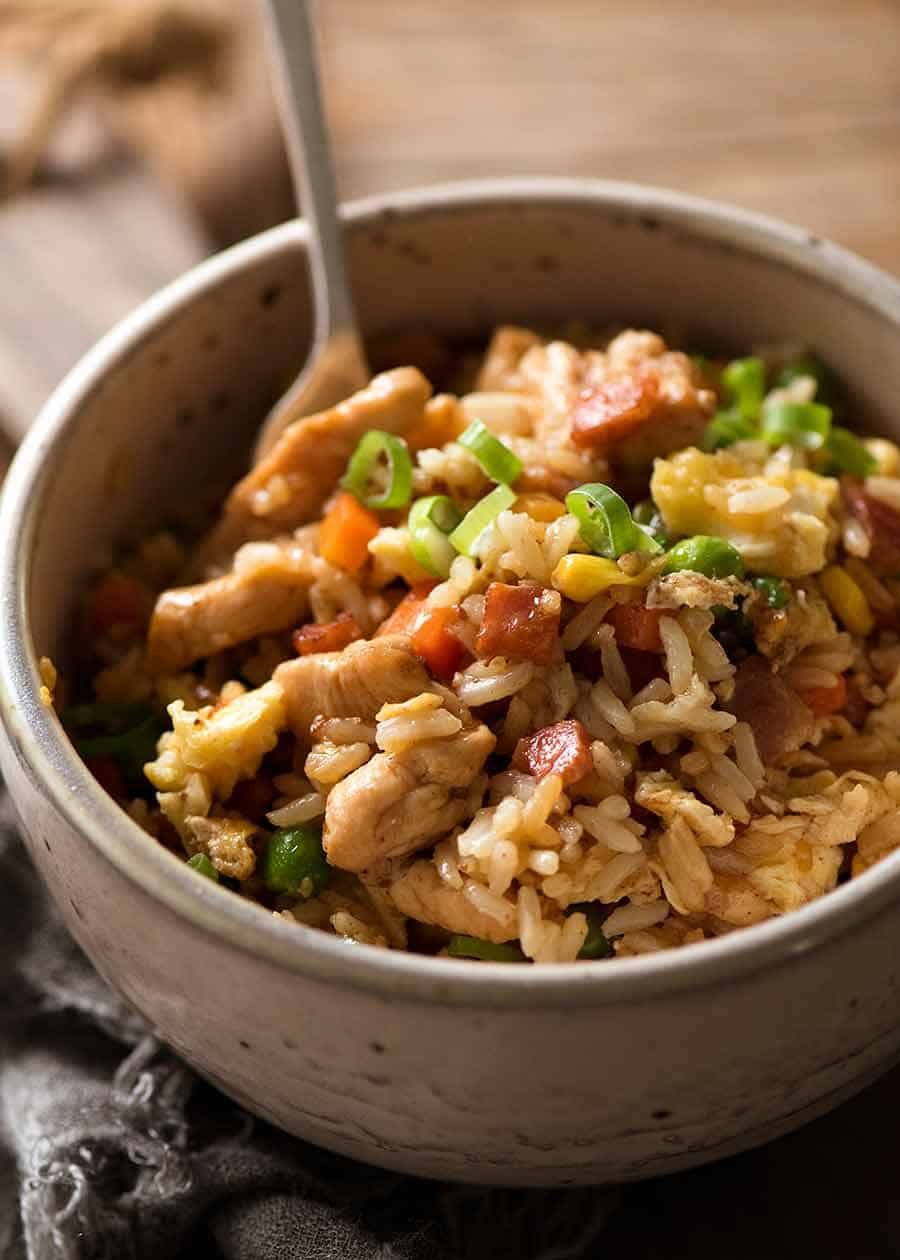
Restaurant-Quality Chicken Fried Rice: Pro Tips & Easy Recipe
Craving that iconic, savory, and satisfying chicken fried rice you get from your favorite Chinese takeout? What if we told you it's not only possible but surprisingly easy to achieve those restaurant-quality flavors right in your own kitchen? Forget bland, sticky homemade versions. This comprehensive guide will equip you with the pro tips and a simple, adaptable chicken fried rice recipe that will have you ditching the delivery menu for good. With a little preparation, you can even whip up this delightful dish in under 15 minutes!
Many home cooks struggle to replicate the distinctive smoky aroma and robust flavors of restaurant-style fried rice. This often boils down to a few key techniques and ingredient choices. While a commercial-grade wok on a powerful burner certainly helps achieve that elusive "wok hei" (breath of the wok), we'll show you how to get incredibly close with standard kitchen equipment, focusing on foundational principles that elevate your homemade fried rice from good to truly exceptional.
The Foundation: Perfect Rice for Fried Rice
The secret to perfect fried rice begins, quite literally, with the rice itself. It might seem counterintuitive, but using freshly cooked, warm rice is often the culprit behind a mushy, clumpy mess. For truly restaurant-quality results, your rice needs to be:
- Al Dente: Cook your rice so it's firm, but not hard, with a slight chew. Overcooked rice will absorb too much sauce and become sticky.
- Non-Sticky and Non-Mushy: This goes hand-in-hand with al dente. Each grain should be distinct.
- Completely Cooled: This is arguably the most crucial tip. Cool rice is drier, preventing it from clumping and allowing it to crisp up beautifully in the pan. Ideally, use day-old rice that has been refrigerated overnight. If you're cooking rice specifically for this chicken fried rice recipe, cook it at least an hour ahead, spread it on a tray, and let it cool completely. You can even pop it in the freezer for 15-20 minutes to speed up the cooling process.
- Medium to Long Grain: Basmati, Jasmine, or even a good quality medium-grain white rice work wonderfully. Avoid short-grain sticky rice varieties.
To cook your rice, use a generous amount of water, similar to cooking pasta. Once al dente, drain it thoroughly in a colander. Covering it briefly after draining can help it fluff up, but then ensure it cools uncovered to dry out. Some establishments even cook their rice in broth instead of water for an extra layer of savory depth – a trick you can certainly adopt at home for an even richer flavor profile.
Crafting Flavorful Chicken: Beyond Just Cooked
The chicken in your fried rice shouldn't just be an afterthought; it should be tender, juicy, and packed with flavor. Here’s how to ensure your chicken shines in this chicken fried rice recipe:
- Chop Small: Cut your chicken (boneless, skinless thighs or breasts) into small, uniform cubes or bite-sized pieces. This ensures quick and even cooking, preventing larger chunks from becoming tough and rubbery due from prolonged exposure to high heat.
- Prevent Dryness: The Egg/Starch Coating: This is a game-changer many home cooks overlook. Restaurants frequently coat their chicken with either a whisked egg or a cornstarch slurry before frying. This coating creates a protective barrier, sealing in moisture and ensuring the chicken remains succulent and tender. Egg-coated chicken also adds a subtle richness and flavor to the overall dish. If you're not keen on egg, a light dusting of cornstarch works wonders.
- The Brine Option: For an even juicier, more tender result, consider brining your chicken. Soaking chicken pieces in buttermilk for 4 hours to overnight can dramatically improve its texture and moisture content, similar to how it's done for fried chicken. While an extra step, the results are noticeable.
- Raw vs. Pre-cooked: While this recipe uses raw chicken cooked directly in the pan for maximum flavor integration, you can also use pre-cooked or boiled chicken if you're looking for a shortcut or have leftovers. Just be mindful not to overcook it when stir-frying.
The Secret Sauce & Sizzling Veggies
Beyond the primary ingredients, the sauces and vegetables are what truly build the complex, savory profile of great chicken fried rice.
- Soy Sauce is King: This is the cornerstone of any good fried rice. Use a good quality light soy sauce for salinity and umami. Dark soy sauce can be added for a richer color and slightly deeper, sweeter flavor, but use sparingly. Low-sodium varieties are great for those watching their salt intake.
- Spice & Flavor Boosters: Don't be afraid to experiment!
- Schezwan Sauce or Sriracha: For a spicy kick.
- Chili Garlic Sauce or Gochujang: Adds heat and a tangy depth.
- Sesame Oil: A drizzle at the very end provides a distinctive nutty aroma and flavor.
- Rice Vinegar: A touch can brighten the dish and cut through richness.
- Oyster Sauce: For an extra layer of savory, slightly sweet umami.
- Vibrant Veggies: These add essential crunch, flavor, and nutrients.
- Scallions/Spring Onions: A must-have for their fresh, oniony bite and visual appeal. Use the white parts early for flavor, and the green parts at the end as a garnish. Regular onions can substitute in a pinch.
- Bell Peppers: Red, green, or yellow bell peppers add sweetness and color.
- Peas and Carrots: Classic additions that bring sweetness and texture. Frozen varieties work perfectly and cook quickly.
- Other Add-ins: Feel free to customize! Broccoli florets, corn, spinach, mushrooms, or even a handful of cashews or almonds can elevate your dish and add variety, as highlighted by culinary experts.
Mastering the Stir-Fry Technique (Even Without a Wok)
Achieving that delightful 'wok hei' often feels out of reach for the home cook. While a carbon steel wok on a powerful burner truly makes a difference, you can still get fantastic results with a few smart techniques:
- Heat, Heat, Heat: The most crucial element. Use the highest heat your stove and pan can safely handle. This ensures ingredients sear quickly, developing flavor and preventing steaming.
- Choose Your Weapon: If you don't have a carbon steel wok, a cast iron skillet is an excellent alternative due to its superior heat retention. A large, heavy-bottomed stainless steel pan will also work, though perhaps not as effectively. Remember, a regular non-stick pan might not get hot enough to achieve proper searing. For more in-depth advice on achieving that elusive wok flavor, check out our article: Unlock Flavor Secrets: Best Chicken Fried Rice with Wok Tips.
- Don't Overcrowd: This is critical. Cook your ingredients in batches if necessary, especially the chicken and rice. Overcrowding lowers the pan's temperature, leading to steamed, rather than seared, ingredients.
- Quick Movements: Keep everything moving. Stir-frying is a fast-paced cooking method designed for rapid searing and mixing.
Easy Chicken Fried Rice Recipe: Step-by-Step
Ready to make the best homemade chicken fried rice you've ever tasted? Here’s a streamlined recipe that incorporates all our pro tips.
Ingredients:
- 2 cups cooked and completely cooled rice (preferably day-old)
- 1 lb boneless, skinless chicken thighs or breast, cut into small ½-inch cubes
- 1 large egg, whisked (for chicken coating) + 1-2 additional eggs, whisked (for fried rice)
- 1 tbsp cornstarch (optional, for chicken coating if not using egg)
- 2-3 tbsp soy sauce (light), plus more to taste
- 1 tbsp dark soy sauce (optional, for color)
- 1 tsp sesame oil
- 1-2 tbsp vegetable or canola oil
- ½ cup chopped yellow onion or spring onion whites
- ½ cup chopped bell pepper (any color)
- ½ cup frozen peas and carrots (thawed)
- 2 cloves garlic, minced
- 1-inch ginger, grated (optional)
- Salt and freshly ground black pepper to taste
- Green parts of 2-3 spring onions, sliced (for garnish)
- Optional: Sriracha, Schezwan sauce, or chili garlic sauce for heat
Instructions:
- Prepare the Chicken: In a medium bowl, combine the cubed chicken with the whisked egg (or cornstarch slurry). Season lightly with salt and pepper. Toss to coat evenly.
- Heat the Pan: Heat 1 tablespoon of vegetable oil in your wok or large skillet over high heat until shimmering.
- Cook the Chicken: Add the coated chicken in a single layer (cook in batches if necessary to avoid overcrowding). Stir-fry for 3-4 minutes until golden brown and cooked through. Remove chicken from the pan and set aside.
- Cook the Eggs: Add another ½ tablespoon of oil if needed. Pour in the remaining whisked eggs. Scramble quickly until just set, then break into small pieces. Remove from pan and set aside with the chicken.
- Sauté Aromatics & Veggies: Add the remaining oil to the hot pan. Add the chopped onion (or spring onion whites), bell pepper, garlic, and ginger (if using). Stir-fry for 1-2 minutes until fragrant and slightly softened. Add the thawed peas and carrots and stir-fry for another minute.
- Add the Rice: Push the vegetables to one side of the pan. Add the cooled rice to the empty side, breaking up any clumps with your spatula. Let the rice sit undisturbed for 30 seconds to allow it to crisp slightly. Then, combine with the vegetables.
- Season & Finish: Add the soy sauce (both light and dark, if using), sesame oil, and any desired optional hot sauces. Return the cooked chicken and scrambled eggs to the pan. Toss everything together vigorously to combine and ensure the rice is evenly coated with sauce. Season with salt and pepper to taste.
- Garnish & Serve: Stir in most of the green spring onion slices. Transfer to serving bowls and garnish with the remaining green onions. Enjoy your delicious, easy 15-minute chicken fried rice!
Conclusion
Making restaurant-quality chicken fried rice at home is not a mystical art, but a series of deliberate choices and techniques. By focusing on perfectly cooked and cooled rice, tender and flavorful chicken, a balanced blend of sauces, and a high-heat stir-fry method, you can consistently achieve results that rival your favorite takeout. This chicken fried rice recipe isn't just about following steps; it's about understanding the "why" behind each tip, allowing you to adapt and perfect it to your own taste. So, fire up your pan, gather your ingredients, and get ready to impress your taste buds with a homemade classic that's truly spectacular.
